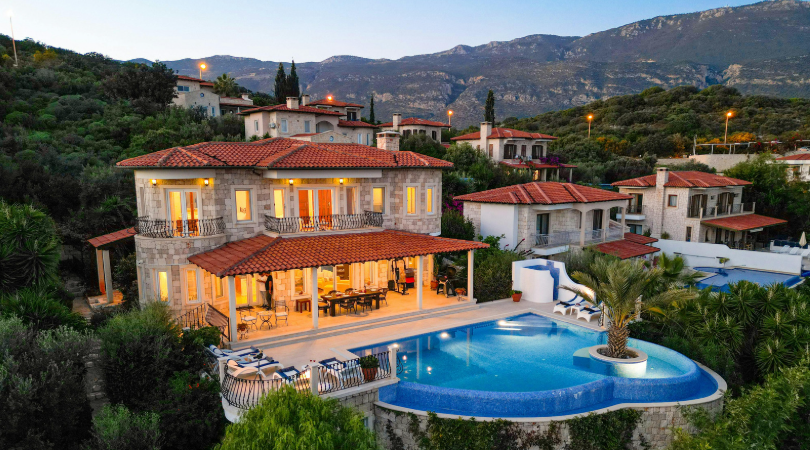
Designing a backyard that feels cohesive and visually appealing requires more than adding individual features. It involves a thoughtful approach where every element works together as part of a unified plan. Many homeowners consider options like pool design in Milton when creating outdoor spaces that combine style and functionality. However, when pool design is paired with landscape architecture, the result is a seamless and well-integrated environment. This combination ensures that the backyard is not only beautiful but also practical and balanced in every aspect.
Creating a Unified Design Vision
When pool design and landscape architecture are planned together, they form a single cohesive vision rather than separate components. Instead of treating the pool as an isolated feature, professionals design it as part of the overall layout. This approach ensures that materials, shapes, and spatial arrangements complement each other. Many professionals emphasize pool landscape design tips every homeowner should consider when aiming for a balanced and visually appealing outdoor space. By aligning every element from the beginning, the backyard achieves a refined and harmonious appearance.
Enhancing Flow and Functionality
A seamless backyard depends on how well different areas connect and function together. Pairing pool design with landscape architecture allows for better planning of pathways, seating areas, and transitions between spaces. This ensures that movement throughout the backyard feels natural and intuitive. Without this level of coordination, the layout can feel disjointed or inefficient. Professional planning creates a smooth flow that enhances usability while maintaining a clean and organized design. This makes the outdoor space more enjoyable and practical for everyday use.
Balancing Aesthetics and Natural Elements
Landscape architecture focuses on integrating natural elements with built features, which is essential when designing a pool area. By considering factors such as plant placement, terrain, and lighting, professionals create a balanced environment that enhances the overall look of the backyard. The pool becomes part of the landscape rather than a standalone addition. This careful integration results in a space that feels cohesive and visually appealing. It also ensures that the design remains consistent with the surrounding environment.
Preventing Design Conflicts and Costly Changes
Planning pool design and landscaping separately can lead to conflicts that require adjustments later. Issues such as improper spacing, drainage problems, or mismatched materials can arise when designs are not coordinated. By combining both aspects from the start, professionals can identify potential challenges and address them early. This proactive approach reduces the risk of costly modifications and ensures that the project progresses smoothly. It also helps maintain the integrity of the overall design without unnecessary complications.
Increasing Long-Term Value and Appeal
A well-integrated backyard adds significant value to a property by enhancing both its appearance and functionality. Buyers and homeowners are drawn to outdoor spaces that feel thoughtfully designed and professionally executed. Pairing pool design with landscape architecture ensures that the backyard maintains its appeal over time. The combination of durable materials, efficient layout, and cohesive design contributes to long-term satisfaction. This investment not only improves the current living experience but also strengthens the overall value of the property.
Conclusion
Pairing pool design with landscape architecture creates a seamless backyard by bringing together functionality, aesthetics, and careful planning. This integrated approach ensures that every element works in harmony, resulting in a balanced and visually appealing outdoor space. By addressing potential challenges early and focusing on long-term value, professional design delivers lasting results. Homeowners who prioritize this combination can achieve a backyard that is both elegant and highly functional, enhancing the overall experience of outdoor living.