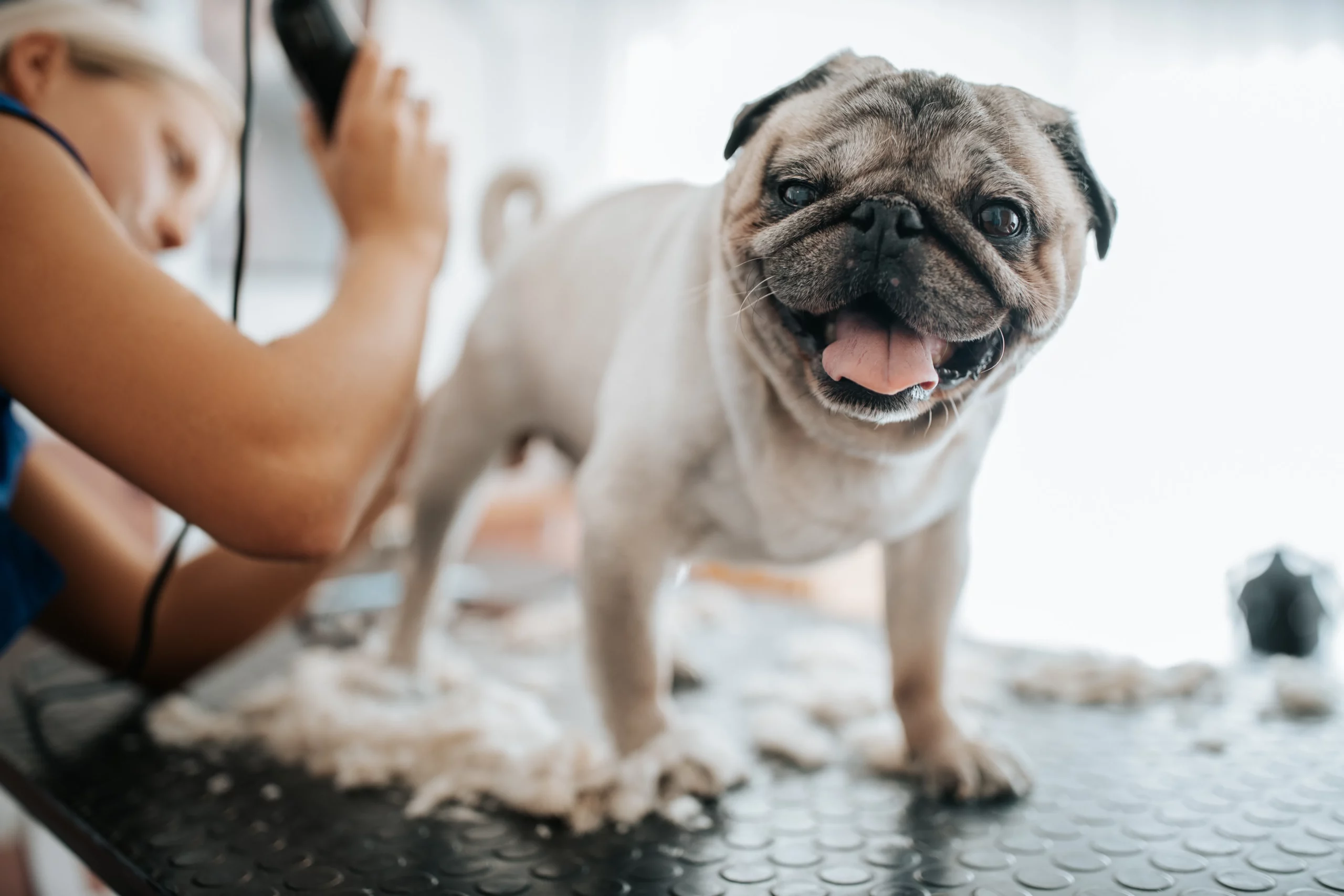
Finding the perfect dog groomer transforms routine maintenance into a safe, stress-free experience tailored specifically to your dog’s physical needs and behavioral traits. A great groomer does far more than give a bath and clip nails; they act as a skilled partner who understands the unique coat genetics of specific breeds and knows how to adapt handling techniques to keep anxious or energetic pets calm. Matching your dog with a professional who fits both their physical coat requirements and unique temperament ensures long-term health, safety, and happiness.
Evaluating Breed-Specific Grooming Expertise
Every Dog Groomers Sandy breed carries distinct coat requirements that demand specialized knowledge, proper tooling, and refined technique. Double-coated breeds like Huskies and Golden Retrievers should never be shaved down, as removing their undercoat destroys their natural temperature regulation system and damages future hair growth. Conversely, curly-coated breeds require expert scissoring, regular dematting, and precise blow-outs to keep their curls healthy and tangle-free.
When interviewing prospective groomers, ask detailed questions about their direct experience with your dog’s breed or coat type. Qualified professionals understand how to perform breed-standard cuts, handle hand-stripping for wire-haired terriers, and manage heavy shedding cycles without damaging delicate skin. Selecting a groomer who recognizes the exact structural needs of your pet’s coat prevents costly skin issues and keeps your dog looking incredible.
Assessing Salon Environments and Handling Philosophies
The physical setup of a grooming facility directly impacts how your dog experiences their appointment. High-volume commercial salons often operate with multiple bathing stations, loud high-velocity dryers, and busy holding areas that can overwhelm sensitive dogs. Fear-free facilities or low-stress boutique salons prioritize quiet spaces, individualized scheduling, and minimal exposure to other pets.
Pay close attention to how the staff manages dog behavior upon entry. Experienced groomers use positive reinforcement, slow introductions, and non-slip surfaces to build trust with animals. Observe whether the salon appears clean, well-ventilated, and organized. Facilities that maintain clear safety protocols, secure tub restraints, and transparent viewing areas demonstrate a commitment to animal welfare and operational excellence.
Observing the First Appointment and Post-Groom Behavior
Your dog’s physical appearance and behavioral response after their first session tell you everything you need to know about the quality of the service. A successful grooming appointment leaves your pet looking clean, smelling fresh, and acting relaxed rather than terrified or exhausted.
Examine your dog carefully upon pickup. Check for clean ear canals without red irritation, neatly trimmed nails that do not drag on the floor, and an even coat finish without clipper burns or razor knicks. Pay close attention to sensitive areas like the groin, paw pads, and underarms where hasty grooming often causes skin irritation.
Monitor how your dog interacts with the groomer when you arrive to pick them up. While some initial excitement is normal when reuniting with owners, a dog that willingly approaches the groomer with a wagging tail or calm demeanor demonstrates that they were treated with respect and gentle care throughout their visit.
Establishing a Consistent Grooming Routine for Long-Term Health
Once you find a skilled groomer who understands your dog’s physical needs and personality, maintaining a regular schedule keeps your pet comfortable and healthy. Routine appointments prevent painful coat matting, overgrown nails, blocked anal glands, and undetected skin infections.
Regular visits also allow your groomer to establish a trusting relationship with your pet over time. As familiarity grows, even nervous dogs learn the routine, reducing stress and making every session faster and more enjoyable for everyone involved.
Inform your groomer immediately if your dog develops new health concerns, skin allergies, joint stiffness, or behavioral changes between visits. Open communication ensures that your groomer adapts their handling style to support your pet through every stage of life.
Conclusion
Choosing the right dog groomer requires balancing technical coat expertise with a deep understanding of animal behavior. By researching breed-specific requirements, assessing salon environments, asking detailed safety questions, and observing your dog’s reaction, you secure a professional handler who protects your pet’s health and happiness. Investing time into finding a groomer who treats your dog with patience and skill yields a lifetime of stress-free appointments, healthy skin, and a beautifully maintained coat.