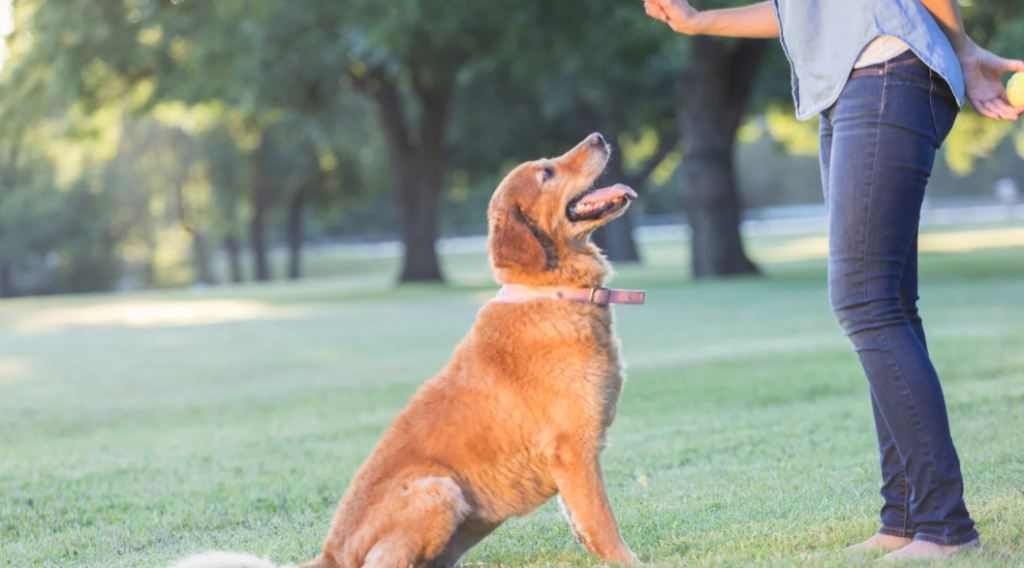
Clear communication between dogs and their owners is essential for building trust, safety, and a balanced relationship. Many pet owners turn to dog training in Atlanta when they want to improve how their dogs respond to commands and everyday interactions. Training is not just about obedience but about creating a shared understanding that allows both the dog and the owner to communicate effectively. Through structured guidance and consistent practice, training helps eliminate confusion and establishes a reliable connection between both sides.
Understanding Canine Communication Signals
Dogs naturally communicate through body language, vocal sounds, and behavioral cues. However, without proper understanding, these signals can be misinterpreted by owners. Training helps bridge this gap by teaching owners how to recognize signs such as posture, tail movement, and eye contact. When owners understand these signals, they can respond appropriately and prevent misunderstandings. This awareness creates a more harmonious interaction where both the dog and owner feel understood. Over time, this mutual understanding strengthens the overall relationship and reduces behavioral issues.
Establishing Consistent Commands and Responses
One of the main goals of dog training is to create consistency in communication. Dogs learn best when commands are clear and delivered in a predictable manner. Training programs focus on teaching owners how to use consistent cues and reinforcement techniques. This consistency helps dogs associate specific commands with expected behaviors. As a result, communication becomes more reliable and less confusing for the dog. Consistent responses also reinforce learning, ensuring that the dog understands what is expected in different situations.
Importance of Timing and Session Structure
Effective communication is closely tied to timing and the structure of training sessions. Delivering commands and feedback at the right moment helps dogs connect actions with outcomes. Understanding the best length for dog training sessions, where proper timing and session duration are shown to influence learning efficiency. Short, focused sessions help dogs stay engaged and retain information more effectively. By maintaining structured sessions, owners can ensure that communication remains clear and productive throughout the training process.
Building Trust Through Positive Reinforcement
Trust is a fundamental component of communication between dogs and their owners. Training programs emphasize positive reinforcement to encourage desired behaviors. When dogs are rewarded for correct actions, they develop confidence and are more likely to respond positively in the future. This approach creates a supportive environment where dogs feel secure and willing to learn. As trust grows, communication becomes smoother and more intuitive. A strong foundation of trust allows both the dog and owner to interact with greater ease and understanding.
Reducing Miscommunication and Behavioral Issues
Miscommunication is often the root cause of many behavioral problems in dogs. Without clear guidance, dogs may act in ways that are misunderstood or seen as undesirable. Training addresses these issues by providing clear expectations and structured learning. As communication improves, dogs become more responsive and less likely to exhibit problematic behaviors. Owners also gain the skills needed to manage situations effectively, reducing stress for both parties. This improved clarity leads to a more balanced and cooperative relationship.
Strengthening Long-Term Interaction
Dog training is not a one-time process but an ongoing effort to maintain effective communication. Regular practice and reinforcement help sustain the skills learned during training. As dogs continue to grow and encounter new situations, consistent communication ensures that they remain responsive and well-behaved. This long-term approach allows the bond between dogs and owners to deepen over time. Strong communication becomes a foundation for a lasting and positive relationship.
Conclusion
Dog training plays a crucial role in building clear and effective communication between dogs and their owners. By understanding canine signals, maintaining consistency, and reinforcing positive behaviors, training creates a strong foundation for mutual understanding. This improved communication leads to better behavior, increased trust, and a more harmonious relationship that benefits both the dog and the owner.