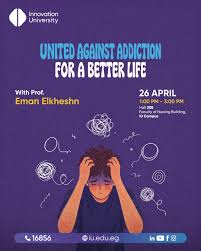
Mental wellness and substance recovery are deeply connected, which is why Behavior Health / Addiction has become such an important focus in modern healthcare. Many individuals struggling with addiction also face emotional, psychological, or behavioral challenges that require professional support. Treating only one side of the problem often leads to setbacks, while a complete approach creates stronger and longer-lasting recovery outcomes. Today, behavior health services and addiction treatment programs are helping people rebuild their lives with the right tools, guidance, and support systems.
What Does Behavior Health / Addiction Mean?
Behavioral health refers to the connection between behaviors, emotions, mental well-being, and overall health. It includes conditions such as anxiety, depression, trauma, stress disorders, and unhealthy coping patterns. Addiction involves dependence on substances like alcohol, opioids, nicotine, or other drugs, as well as compulsive behaviors such as gambling.
When these two areas overlap, treatment becomes more important. Many people use substances to cope with emotional pain, stress, or unresolved trauma. Over time, addiction can worsen mental health symptoms, creating a difficult cycle. This is why integrated care is essential.
Why Integrated Treatment Matters
Treating addiction without addressing mental health challenges often leaves the root causes untouched. Likewise, treating emotional issues while ignoring substance misuse can delay progress. A combined treatment model focuses on both areas together.
Benefits of integrated care include:
- Better long-term recovery outcomes
- Lower risk of relapse
- Improved emotional stability
- Healthier coping mechanisms
- Stronger family and relationship support
- Greater self-awareness and confidence
This whole-person approach gives individuals a stronger foundation for healing.
Common Causes Behind Addiction Struggles
Every person’s story is different, but several common factors can contribute to addiction:
Trauma and Stress
Past trauma, abuse, grief, or chronic stress can increase vulnerability to substance use. Many individuals turn to alcohol or drugs as temporary relief.
Mental Health Conditions
Depression, anxiety, PTSD, bipolar disorder, and similar conditions often coexist with addiction. Without treatment, symptoms may intensify.
Genetics and Family History
Family history can play a role in addiction risk, especially when combined with environmental stressors.
Social Environment
Peer pressure, unstable home life, unemployment, or lack of support systems can also increase risk.
Understanding these causes helps treatment providers create personalized recovery plans.
Effective Treatment Options
Modern recovery programs offer multiple treatment methods depending on severity and individual needs.
Counseling and Therapy
One-on-one counseling helps people identify triggers, emotional pain, and harmful patterns. Cognitive Behavioral Therapy (CBT) is commonly used to reshape negative thinking.
Group Support Programs
Group therapy creates community, accountability, and shared healing experiences.
Medication-Assisted Treatment
For opioid or alcohol dependence, certain medications may help reduce cravings and withdrawal symptoms under professional supervision.
Inpatient and Outpatient Programs
Some individuals benefit from residential treatment, while others succeed with outpatient care that fits daily responsibilities.
Holistic Wellness Support
Exercise, nutrition, mindfulness, meditation, and lifestyle coaching can strengthen both mental and physical recovery.
The Importance of Family Support
Addiction rarely affects only one person. Families often experience emotional stress, trust issues, and confusion. Involving loved ones in the recovery process can improve outcomes significantly.
Family education programs help relatives understand addiction as a health condition rather than a moral failure. Healthy boundaries, communication skills, and emotional support often make recovery more sustainable.
Overcoming Stigma
One of the biggest barriers to treatment is stigma. Many people avoid seeking help because they fear judgment. In reality, addiction and behavioral health conditions are medical and psychological challenges—not signs of weakness.
As awareness grows, more communities are recognizing that recovery begins with compassion, education, and accessible care.
Building a Strong Recovery Lifestyle
Recovery does not end after treatment. Long-term success often depends on daily habits and continued support.
Important recovery practices include:
- Maintaining therapy or support meetings
- Building healthy routines
- Avoiding triggers and toxic environments
- Practicing stress management
- Focusing on fitness and nutrition
- Rebuilding relationships gradually
- Setting realistic personal goals
Small consistent steps often create the biggest long-term changes.
Final Thoughts
Behavior Health / Addiction treatment is about more than quitting substances—it is about healing the mind, body, and life as a whole. When mental health care and addiction recovery work together, individuals have a much better chance of lasting transformation. With the right treatment plan, support system, and personal commitment, recovery is possible for anyone ready to take the first step.
Seeking help is not weakness. It is the beginning of strength, clarity, and a healthier future.