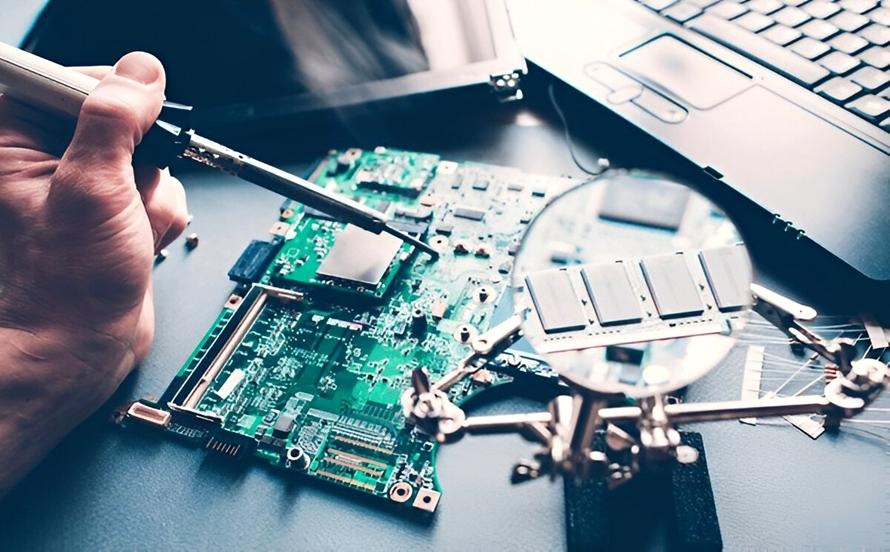
As the electronics industry continues to evolve, manufacturers are constantly seeking ways to improve production efficiency, reduce costs, and maintain greater control over their supply chains. While many electronics manufacturing service (EMS) providers offer turnkey solutions that handle both component sourcing and assembly, another production model has become increasingly popular among OEMs and product developers. This approach is known as Consignment PCB Assembly, where the customer supplies some or all of the components while the assembly provider performs the PCB assembly process.
Consignment PCB assembly offers greater flexibility for companies that already have established supplier relationships, require specialized electronic components, or want tighter control over inventory and procurement. It is commonly used by businesses developing prototypes, low-volume production runs, industrial equipment, medical devices, aerospace electronics, and products containing customer-specified or difficult-to-source components.
To ensure smooth production and consistent quality, many organizations partner with an experienced Consignment PCB Assembly service provider that offers advanced assembly capabilities, engineering support, and comprehensive quality assurance. A professional assembly partner can efficiently assemble customer-supplied components while maintaining high manufacturing standards and minimizing production risks.
This article explores what consignment PCB assembly is, how the process works, its advantages, applications, and why selecting an experienced assembly service is essential for successful electronics manufacturing.
What Is Consignment PCB Assembly?
Consignment PCB Assembly is a manufacturing process in which the customer provides the electronic components required for PCB assembly, while the assembly company performs the placement, soldering, inspection, testing, and final assembly of the printed circuit boards.
Unlike turnkey PCB assembly, where the manufacturer sources all components, consignment assembly allows customers to retain control over procurement. Customers typically deliver integrated circuits, passive components, connectors, and other required parts together with the bill of materials, assembly drawings, Gerber files, pick-and-place data, and other manufacturing documentation.
The assembly provider verifies the supplied materials before beginning production, ensuring that all components match the manufacturing documentation and meet quality requirements.
This production model offers flexibility for organizations with existing supply chains or products requiring specialized components that may not be easily available through standard distribution channels.
Why Consignment PCB Assembly Is Important
Many electronics manufacturers have established relationships with preferred component suppliers or maintain inventories of approved components for ongoing production. In such cases, Consignment PCB Assembly allows companies to continue using their existing procurement strategies while benefiting from professional PCB assembly services.
This approach is especially valuable when electronic components have long lead times, are customer-approved, or require strict traceability. Supplying these components directly helps maintain consistency across multiple production batches while reducing sourcing uncertainties.
Consignment assembly also provides greater transparency over component selection and inventory management. Customers can purchase components according to their own quality standards, approved vendor lists, or contractual obligations while relying on experienced assembly specialists for manufacturing.
For prototype development and specialized industrial applications, this flexibility often improves project control while reducing unnecessary procurement delays.
The Consignment PCB Assembly Process
The Consignment PCB Assembly process begins with a comprehensive engineering review of the customer’s manufacturing documentation. Assembly specialists evaluate Gerber files, bill of materials, assembly drawings, centroid files, and production requirements before manufacturing begins.
Once customer-supplied components arrive at the assembly facility, incoming inspections verify part numbers, quantities, packaging conditions, and overall component quality. Any discrepancies are identified before production starts to avoid delays later in the manufacturing process.
Following material verification, solder paste is applied to the printed circuit boards using precision stencils. Automated pick-and-place machines accurately position surface mount components before the boards pass through controlled reflow soldering ovens.
If through-hole components are included, they are installed using selective soldering, wave soldering, or manual assembly depending on the product design.
After assembly is completed, every PCB undergoes inspection, electrical testing, and functional verification before shipment. Throughout production, manufacturers maintain detailed documentation to ensure complete manufacturing traceability.
Advantages of Consignment PCB Assembly
One of the primary advantages of Consignment PCB Assembly is greater control over component procurement. Customers can purchase electronic components directly from approved suppliers while ensuring that only authorized parts are used during production.
Another significant benefit is improved flexibility. Companies experiencing component shortages or long lead times can source critical parts independently while allowing the assembly provider to focus entirely on manufacturing.
Consignment assembly also supports prototype development and low-volume production where engineering teams frequently update component selections during product refinement. Maintaining direct control over component inventory simplifies design revisions and engineering changes.
For businesses with existing component inventories, consignment manufacturing reduces duplicate purchasing while making better use of available stock.
These advantages help improve production planning, reduce procurement complexity, and provide greater visibility throughout the manufacturing process.
Applications of Consignment PCB Assembly
Consignment PCB assembly is widely used across industries requiring specialized electronic products or controlled component sourcing. Industrial automation manufacturers frequently use this approach for programmable logic controllers, motor controllers, factory automation equipment, sensors, and industrial communication systems.
Medical device manufacturers rely on consignment assembly for patient monitoring systems, diagnostic instruments, imaging equipment, laboratory analyzers, and wearable healthcare devices where approved component traceability is often required.
Aerospace and defense organizations utilize consignment assembly for avionics, communication equipment, navigation systems, surveillance electronics, and mission-critical control systems containing highly specialized components.
Automotive electronics manufacturers employ consignment production for electric vehicle control modules, battery management systems, advanced driver assistance systems, infotainment units, and engine control electronics requiring customer-approved components.
Telecommunications infrastructure, networking equipment, renewable energy systems, scientific instruments, robotics, security systems, and consumer electronics prototypes also benefit from consignment PCB assembly services.
Why Choose a Professional Consignment PCB Assembly Service?
Selecting an experienced Consignment PCB Assembly service provides manufacturers with access to advanced production equipment, skilled engineering teams, and efficient manufacturing processes while allowing them to retain control over component procurement.
Professional assembly providers carefully inspect customer-supplied components before production begins, helping identify packaging damage, incorrect part numbers, moisture-sensitive devices, or inventory discrepancies that could affect manufacturing quality.
Modern assembly facilities use automated solder paste inspection, high-speed pick-and-place machines, precision reflow soldering systems, automated optical inspection, X-ray inspection, and advanced electrical testing equipment to ensure consistent assembly quality.
Experienced engineering teams also perform Design for Manufacturability reviews before production starts, identifying potential assembly issues and recommending improvements that reduce manufacturing risks while improving product reliability.
Working with a professional assembly service allows customers to combine the advantages of controlled component sourcing with world-class manufacturing expertise.
Quality Assurance in Consignment PCB Assembly
Quality assurance remains essential throughout every stage of consignment manufacturing. Incoming customer-supplied materials undergo detailed inspection to verify authenticity, packaging integrity, part numbers, quantities, and storage conditions before production begins.
During assembly, manufacturers monitor solder paste deposition, component placement accuracy, soldering temperatures, and assembly parameters using automated process control systems.
Following assembly, Automated Optical Inspection identifies missing components, polarity errors, solder bridges, insufficient solder joints, and placement inaccuracies. X-ray inspection evaluates hidden solder connections beneath ball grid arrays and other complex packages.
Electrical testing, in-circuit testing, and functional verification confirm that every assembled PCB performs according to design specifications before shipment. Complete production records provide full traceability for customer-supplied components and finished assemblies.
Leading manufacturers maintain internationally recognized certifications such as ISO 9001, IPC-A-610 for electronic assembly acceptance, ISO 13485 for medical devices, IATF 16949 for automotive electronics, AS9100 for aerospace manufacturing, and RoHS compliance. These certifications demonstrate their commitment to delivering consistent manufacturing quality across diverse industries.
Conclusion
Consignment PCB Assembly provides manufacturers with an efficient and flexible production model that combines customer-controlled component sourcing with professional PCB assembly expertise. By allowing customers to supply approved components while relying on experienced manufacturing partners for assembly, inspection, and testing, consignment production offers greater supply chain control, improved flexibility, and enhanced inventory management.
Choosing a reliable Consignment PCB Assembly service ensures that customer-supplied materials are handled with precision, assembled using advanced manufacturing technologies, and verified through comprehensive quality assurance processes. As electronic products continue to become more specialized and supply chains grow increasingly complex, consignment PCB assembly will remain an important manufacturing solution for companies seeking high-quality production while maintaining control over their component procurement strategy.