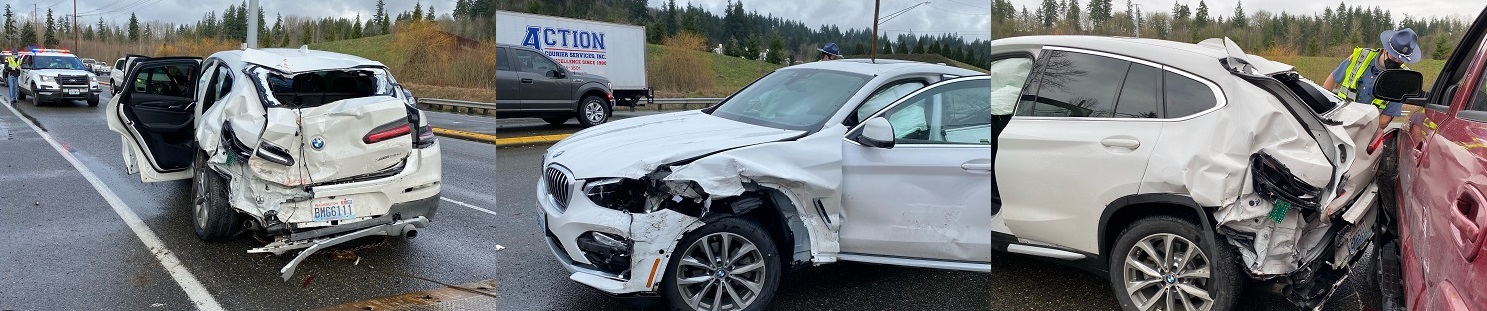
Car accidents can cause other problems as well as visible symptoms. Understanding delayed injury symptoms is critical for recovery in Woodinville, a city in King County, Washington, where car accidents remain a significant concern. According to the National Safety Council, approximately 5.1 million medically consulted injuries were reported in 2023 from auto accidents. King County accounted for 40,192 car accidents in 2017, representing 33% of all accidents in Washington state and 538 serious injury collisions. Research shows that 55% of people involved in rear-end crashes were still symptomatic eight years later, highlighting the long-term impact of seemingly minor accidents.
Brief explanation: Some injuries do not surface until hours or days after an incident occurs. Adrenaline and the body’s stress response can mask pain for 24 to 48 hours or longer after an accident, making it crucial to seek medical attention even when feeling fine. If you’ve been in an accident, consulting with a Woodinville car accident lawyer can help protect your rights while you focus on recovery. Identification of these subtle injuries is essential for recovery. Most of us ignore vague symptoms, thinking that we are facing some minor discomfort. These untreated injuries can become even worse over time. Quickly treating one avoids long-term issues and promotes speedy recovery.
Soft Tissue Damage
Muscles, ligaments, and tendons are damaged by soft tissue injuries. One of the most classic examples is whiplash. You might experience tightened or tender muscles in your neck and shoulders. As for swelling or bruising, it could emerge later. If you ignore it, it will take time to heal, or it might hurt more. Recovery is aided by gentle motion and rest. Getting checked out with a doctor ensures that there is nothing serious going on.
Concussions and Traumatic Brain Injuries
A common type of injury that goes unrecognized immediately after an accident is a head injury. It can cause headaches, confusion, or dizziness (a mild concussion). Some have difficulty remembering specific details or being able to focus on a task. You may not immediately notice any signs of the symptoms. Not treating them early and promptly may lead to cognitive problems later on.
Back and Spine Problems
Trauma—Sometimes you won’t even know your spine is injured until days later, after impact from a collision. Others may experience a low-level ache in the back or tingling. Pain can also increase or radiate to the limbs over time. In other cases, herniated discs and spinal alignment might worsen over time. There may be a variation in the speed of recovery following the intervention. Consulting your healthcare provider helps detect issues early before they become too serious.
Internal Injuries
Without medical imaging, internal injuries are nearly impossible to diagnose. According to the National Highway Traffic Safety Administration, proper medical evaluation after accidents is critical, as internal injuries can be life-threatening if not promptly identified and treated. Blunt force—the blow can harm organs, blood vessels, or any other inner structure. Hours later, symptoms, including abdominal pain, dizziness, or fainting, may develop. Never ignore bruising or swelling on the abdomen! Even worse, internal bleeding can be very serious and always needs immediate attention. Emergency medical attention is crucial for life-saving treatment in such cases.
Emotional and Psychological Effects
However, these effects extend beyond the physical injuries that may arise from such an incident. Many react with anxiety, sleeplessness, or mood changes. Some develop post-traumatic stress symptoms, such as nightmares or refusing to drive. These effects can become apparent days, weeks, or sometimes even longer after the event. We have to remember that emotional well-being is as important as physical health. Having a professional help you work through what you are feeling will help you find your confidence again.
Joint Injuries
Even injuries tend to weigh on the shoulders, knees, and wrists. You may not notice any pain or feel any signs of immobility until swelling actually sets in. Sometimes, with use, the symptoms of ligament sprains and cartilage injuries worsen. If left untreated, this pain can become a chronic issue or eventually lead to instability. Light mobilization and early assessment facilitate proper healing of joints. Hearing what the body is trying to tell you saves you from doing damage.
Delayed Pain and Nerve Issues
Not every case of nerve damage is obvious and immediate. It can start as tingling, numbness, or burning sensations days to weeks later. Weakness and loss of coordination are other potential issues, which may mean that the nerve is pinched by swelling or inflammation. Early identification of nerve involvement increases the chances of full recovery. Consulting with a health professional is recommended in the case of persistent or unusual sensations.
Hidden Fractures
Some minor breaks get overlooked in the post-crash mayhem. A fracture may be indicated by subtle pain, tenderness, or swelling. Some you can only find on scans or on X-rays. Asking someone to walk with a fractured foot or write with a wounded hand is only setting oneself up for failure. A proper examination prevents these injuries from being overlooked. Rest and immobilization help the body recover.
Conclusion
Not all injuries from a car wreck become apparent immediately. The symptoms can develop gradually or be mild. Monitoring any new or changing signs is crucial for health and comfort. Acting quickly will stop them from becoming a long-term problem and will aid in recovery. Always go for professional help, even if the injuries seem insignificant. Putting your physical and emotional well-being first ensures the return to normal life is complete.