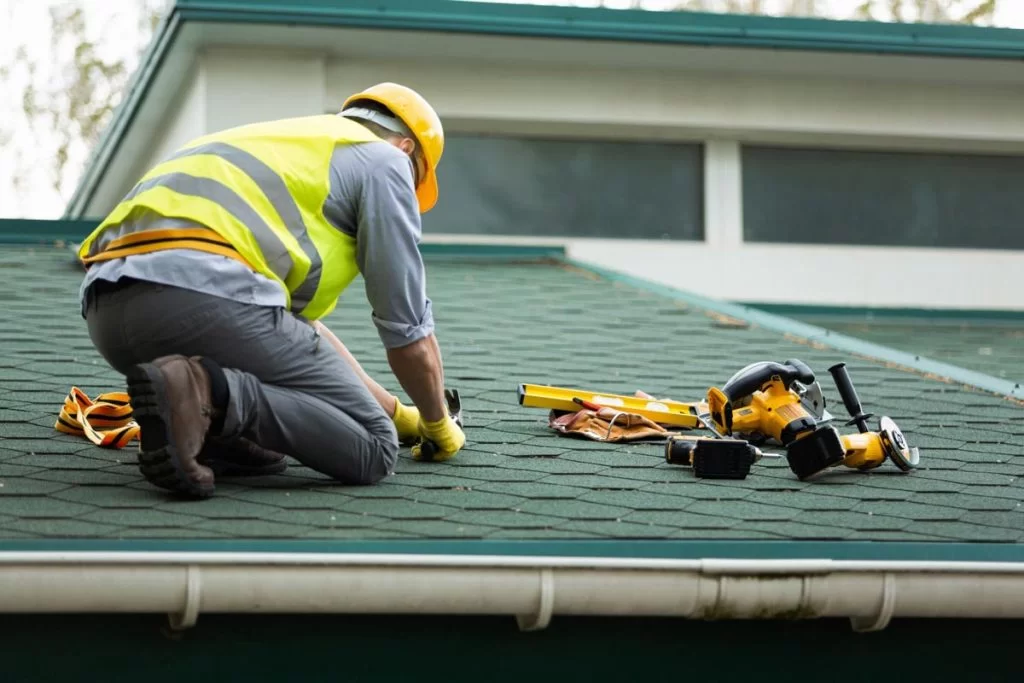
A roof is one of the most important systems in any home, yet it’s often overlooked until a major issue appears. Small leaks, missing shingles, and poor drainage can quietly develop over time, eventually leading to expensive repairs that could have been avoided with regular attention. For homeowners who want to protect their property and avoid unnecessary stress, proactive roof maintenance is one of the smartest investments they can make.
The good news is that extending the lifespan of a roof doesn’t always require major renovations. Consistent inspections, seasonal upkeep, and early intervention can dramatically improve long-term performance while helping homeowners maintain curb appeal and energy efficiency.
Why Roof Maintenance Matters More Than Most Homeowners Realize
Many homeowners assume their roof will simply “last” until replacement becomes unavoidable. While roofing materials are designed for durability, every roof is constantly exposed to changing weather conditions, moisture, temperature swings, debris, and UV exposure. Over time, even high-quality roofing systems begin to show wear.
Neglecting routine maintenance can create several problems, including:
- Water intrusion and hidden leaks
- Mold or mildew growth in attic spaces
- Increased heating and cooling costs
- Structural wood damage
- Premature roof replacement
- Reduced property value
The cost of preventative care is usually far lower than the cost of emergency repairs. A small flashing repair or gutter cleaning today may prevent thousands of dollars in damage later.
Common Signs Your Roof Needs Attention
One of the biggest challenges homeowners face is recognizing roof problems early enough to address them efficiently. Damage often starts subtly, especially after storms or seasonal weather changes.
Here are several warning signs worth paying attention to:
Missing or Curling Shingles
Shingles that are lifting, cracking, or missing entirely can expose the roof deck to moisture. Wind damage is a common cause, especially in areas with seasonal storms.
Granules in Gutters
If asphalt shingle granules are collecting in gutters or near downspouts, the roof may be nearing the end of its protective lifespan.
Water Stains Indoors
Brown spots on ceilings or walls can indicate roof leaks that may already be affecting insulation and interior materials.
Sagging Areas
Any visible sagging in the roofline should be evaluated immediately, as it may signal trapped moisture or structural weakness.
Moss or Algae Growth
Organic growth can trap moisture against roofing materials, leading to deterioration over time.
Homeowners who notice these signs should avoid delaying inspections. Catching issues early usually results in simpler and more affordable solutions.
Seasonal Roof Care Makes a Big Difference
Roof maintenance works best when it follows a seasonal schedule. Different weather conditions create different risks throughout the year, and a proactive approach helps reduce long-term wear.
Spring Inspections
Winter weather can be tough on roofing systems. Spring is a good time to inspect for:
- Ice damage
- Loose shingles
- Clogged gutters
- Flashing separation
- Water pooling
A quick seasonal inspection helps identify any hidden damage before heavy spring rains arrive.
Summer Ventilation Checks
Hot weather places stress on attic ventilation systems. Poor airflow can trap heat and moisture, accelerating shingle deterioration and increasing utility bills.
Homeowners should ensure attic vents remain unobstructed and insulation levels are appropriate for the home.
Fall Gutter Maintenance
Leaves and debris commonly clog gutters during autumn months. Overflowing gutters can push water beneath roofing materials and damage fascia boards.
Cleaning gutters before winter helps prevent ice buildup and drainage problems.
Winter Monitoring
Snow accumulation and freeze-thaw cycles can create hidden roof stress. Homeowners should watch for ice dams, interior condensation, or sudden leaks during colder months.
The Value of Professional Roof Inspections
While homeowners can perform basic visual checks from the ground, professional inspections provide a more complete evaluation of roofing conditions. Trained roofing specialists understand how to identify weak points that may not be visible to the average homeowner.
Professional inspections often include:
- Shingle condition assessment
- Flashing evaluation
- Ventilation analysis
- Moisture detection
- Structural review
- Gutter and drainage inspection
For homeowners looking to better understand maintenance options and roofing solutions,idealroofingandexteriors.com offers additional context on exterior improvement services and roofing considerations.
Routine inspections are especially valuable after severe storms or high-wind events, even when no obvious damage appears immediately.
How Proper Drainage Protects the Entire Home
Many roofing issues actually begin with drainage problems rather than roofing materials themselves. Gutters, downspouts, and slope design all work together to move water away from the structure safely.
When drainage systems fail, water may:
- Pool on roofing surfaces
- Back up beneath shingles
- Damage siding and fascia
- Weaken foundations
- Cause soil erosion around the home
Homeowners should periodically check that gutters remain securely attached and downspouts direct water away from the property. Small drainage corrections can significantly improve roof longevity.
Choosing Durable Materials for Long-Term Performance
When repairs or replacements eventually become necessary, material selection becomes an important factor in future maintenance requirements.
Several factors influence roofing durability:
Climate Conditions
Homes in regions with strong winds, heavy rainfall, or intense sun exposure may require materials specifically engineered for those environments.
Energy Efficiency
Reflective roofing materials can help reduce heat absorption and improve indoor comfort during warmer months.
Maintenance Requirements
Some roofing systems require more frequent upkeep than others. Homeowners should balance aesthetics with long-term practicality.
Warranty Coverage
Understanding manufacturer warranties and workmanship guarantees helps homeowners make informed decisions during roofing projects.
Investing in quality materials upfront often reduces future repair frequency and extends the roof’s lifespan considerably.
Preventative Maintenance Saves Money Over Time
One of the biggest misconceptions about roofing is that maintenance is an unnecessary expense. In reality, preventative care often reduces overall homeownership costs significantly.
Preventative maintenance can help homeowners:
- Avoid emergency repair bills
- Improve energy efficiency
- Extend roof lifespan
- Preserve property value
- Reduce interior damage risks
- Improve insurance claim documentation
Even simple annual inspections can provide peace of mind and reveal developing issues before they become disruptive.
Final Thoughts
A well-maintained roof does far more than keep rain out of a home. It protects structural integrity, improves energy efficiency, supports property value, and helps homeowners avoid costly surprises. The key is consistency. Small maintenance efforts performed regularly are often enough to dramatically extend the lifespan of a roofing system.
Homeowners who stay proactive with inspections, drainage care, ventilation checks, and seasonal maintenance place themselves in a far stronger position than those who wait for visible leaks or major storm damage. In the long run, thoughtful roof care is one of the most practical ways to protect both a home and the investment behind it.