Maintaining the exterior of a property requires the right cleaning approach to preserve both appearance and structural integrity. Different surfaces demand different levels of care, which is why choosing between cleaning methods is an important decision. Many property owners considering pressure washing in Johns Creek often wonder whether high-pressure cleaning or a gentler method is more suitable for their needs. Each technique serves a specific purpose and delivers different results depending on the surface and condition. Understanding how these methods work helps determine the most effective option for long-term maintenance.
Understanding Pressure Washing and Its Applications
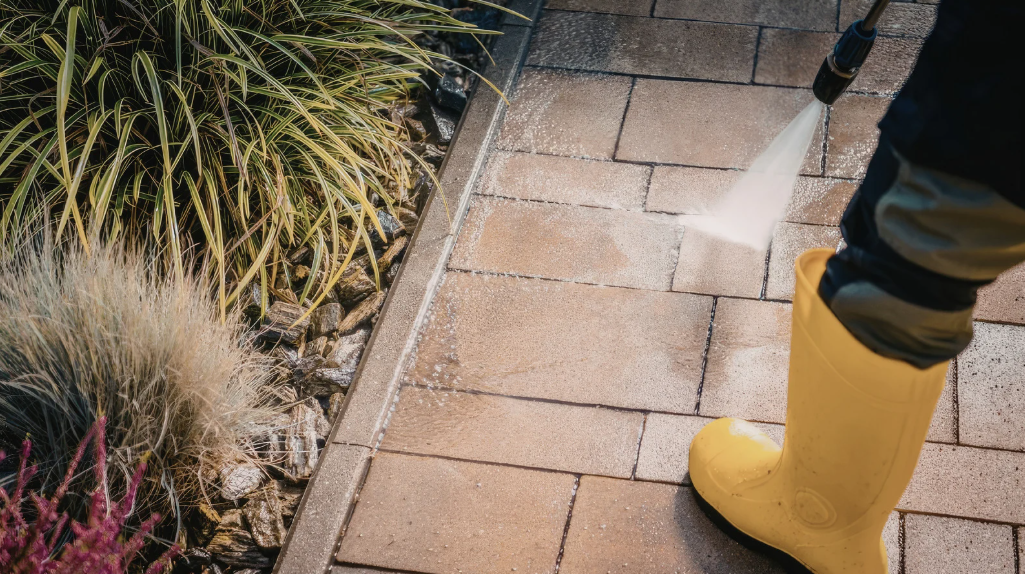
Pressure washing uses high force water to remove dirt, grime, and buildup from hard surfaces. It is commonly used for driveways, sidewalks, and other durable areas that can withstand strong pressure. This method is highly effective at removing stubborn stains and restoring surfaces that have accumulated heavy debris over time. When applied correctly by professionals, it can significantly improve the appearance of outdoor areas. However, the intensity of pressure requires careful handling to avoid damage. For example, understanding how long it takes to pressure-wash a concrete driveway helps ensure the process is efficient while maintaining the surface’s integrity.
Understanding Soft Washing and Its Benefits
Soft washing is a lower-pressure cleaning method that relies on specialized solutions to break down dirt, mold, and organic buildup. This approach is ideal for delicate surfaces such as siding, roofing, and painted areas that could be damaged by high pressure. Instead of force, soft washing focuses on treating and removing contaminants at a deeper level. This method not only cleans the surface but also helps prevent the quick return of growth, such as algae and mildew. A professional application ensures that the cleaning solutions are used safely and effectively.
Key Differences Between the Two Methods
The main difference between pressure washing and soft washing lies in the level of force used during cleaning. Pressure washing relies on strong water pressure to remove debris, making it suitable for hard and durable surfaces. Soft washing, on the other hand, uses minimal pressure combined with cleaning agents to achieve results on more sensitive materials. Choosing the right method depends on the condition and type of surface being cleaned. Using the wrong technique can lead to surface damage or incomplete cleaning, which is why professional assessment is essential.
Choosing the Right Method for Your Property
Selecting the appropriate cleaning method depends on several factors, including the surface material, the level of buildup, and the overall condition. Hard surfaces with heavy staining benefit from pressure washing, while more delicate areas require the controlled approach of soft washing. Professionals evaluate these factors to determine the best solution for each part of the property. This ensures that cleaning is both effective and safe, preserving the longevity of the surfaces involved. A tailored approach allows for optimal results without compromising structural integrity.
Long Term Maintenance and Surface Protection
Both pressure washing and soft washing play a role in maintaining the long term condition of a property. Regular cleaning helps prevent the buildup of dirt and organic growth that can cause deterioration over time. Professional services ensure that the correct method is used consistently, supporting both cleanliness and durability. By maintaining surfaces properly, property owners can avoid costly repairs and extend the lifespan of exterior features. Effective cleaning contributes to a well-maintained and visually appealing environment.
Conclusion
Pressure washing and soft washing each offer distinct advantages depending on the needs of the property. Understanding their differences and applications helps ensure that surfaces are cleaned effectively without causing damage. Professional expertise plays a key role in selecting the right method and delivering results that support long-term property maintenance.