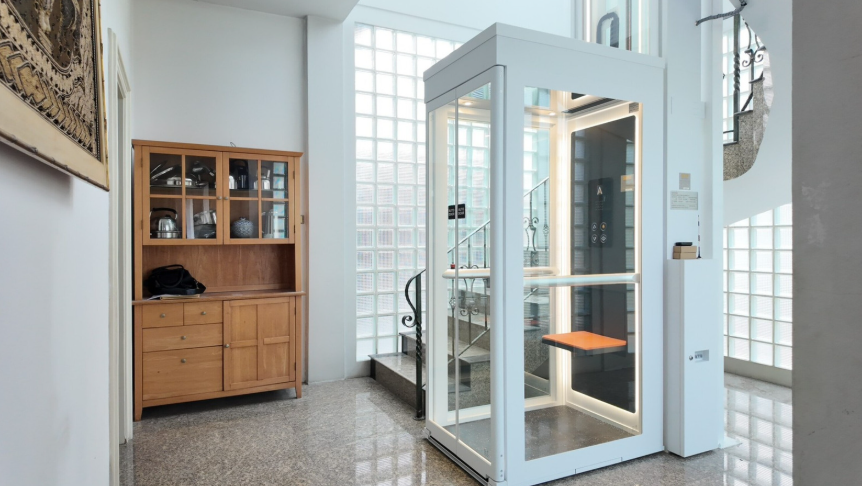
Choosing the right vertical mobility solution for a home requires a clear understanding of available options and how they function in different living environments. Many homeowners compare in-house elevator lifts to platform lifts when planning accessibility improvements. While both systems are designed to assist movement between levels, they differ in structure, usability, and long-term value. Understanding these differences is essential to ensure the selected solution aligns with comfort, safety, and future needs. A well-informed decision enhances both daily convenience and the overall functionality of the home.
Understanding In-House Elevator Lifts and Platform Lifts
Before comparing the two, it is important to understand their basic design and purpose. An in-house elevator is a fully enclosed system that moves vertically within a dedicated shaft, offering a smooth, private travel experience between floors. It is designed for multiple users and can accommodate wheelchairs or heavy items with ease. A platform lift, on the other hand, typically consists of an open or semi-enclosed platform that travels along a vertical or inclined path, mainly designed for accessibility rather than comfort. Professional installation ensures both systems operate safely within the structural framework of the home.
Space and Structural Requirements
The amount of available space plays a significant role in choosing between these two systems. In-house elevator lifts require a designated shaft or vertical clearance, along with structural planning to support installation. This makes them suitable for homes where space can be allocated for long-term accessibility solutions. Platform lifts are more compact and often require less structural modification, making them a practical option for limited spaces. However, professional evaluation is crucial to determine whether the existing layout can support the chosen system without compromising safety or design integrity.
Comfort and User Experience
Comfort is one of the most noticeable differences between these two options. In-house elevator lifts offer a fully enclosed cabin, smooth start and stop functions, and a quiet ride, making them ideal for everyday use by multiple family members. Platform lifts provide basic functionality, focusing more on accessibility than comfort, which may not be suitable for frequent use. For households prioritizing convenience and ease of movement, elevators offer a more refined experience. A professionally installed system ensures consistent performance and enhances user confidence over time.
Accessibility and Functional Use
Both systems aim to improve accessibility, but their applications vary significantly. In-house elevator lifts are versatile and can be used by individuals with varying mobility needs, including those using wheelchairs or walkers. They are also suitable for transporting items such as groceries or luggage between floors. Platform lifts are primarily designed for single users with specific mobility requirements and may have limitations in terms of capacity and functionality. Professional consultation helps determine which system best supports daily living needs and long-term accessibility goals.
Maintenance and Long-Term Reliability
Maintenance requirements vary by system complexity. In-house elevator lifts involve advanced components and require regular servicing to maintain optimal performance. Understanding essential maintenance tips to keep the home elevator in top condition is crucial for ensuring safety and longevity. Platform lifts, being simpler in design, may require less intensive maintenance but still benefit from routine professional inspections. Consistent servicing not only prevents unexpected issues but also ensures that both systems remain reliable over time.
Aesthetic Appeal and Property Value
The visual impact of each system can influence the overall look and value of a home. In-house elevator lifts can be customized to blend seamlessly with interior design, offering a modern and sophisticated appearance. They often enhance property value by providing a premium accessibility feature. Platform lifts are more functional in appearance and may not offer the same level of design integration. Choosing a professionally designed installation ensures that the system complements the home while maintaining its aesthetic balance.
Conclusion
Understanding the key differences between an in-house elevator lift and a platform lift helps in selecting the most suitable solution for your home. While platform lifts provide a practical option for basic accessibility needs, in-house elevator lifts offer a more comprehensive and comfortable experience. Evaluating space, usability, maintenance, and long-term value with professional guidance ensures that the final choice enhances both convenience and quality of living.