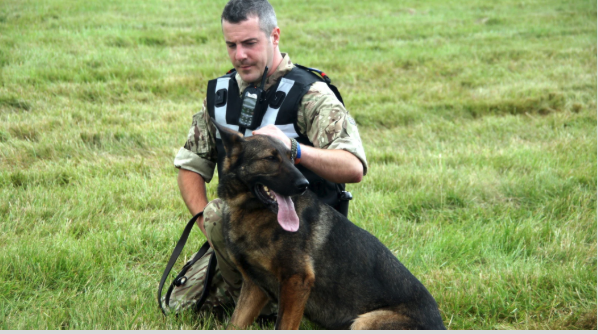
Training a dog can take many forms, but not all programs are designed with the same purpose in mind. While basic obedience focuses on everyday manners and control, specialized programs are built for performance, reliability, and task-driven behavior. Many owners exploring working dog training are often surprised by how structured and demanding the process can be. It goes beyond simple commands and requires a deeper level of discipline and consistency. Understanding these differences helps clarify why working dogs require a completely different approach compared to standard obedience programs.
The Purpose Behind Working Dog Training
Working dog training is designed with a clear objective: preparing dogs to perform specific tasks under real-world conditions. Unlike general obedience programs that focus on household behavior, this type of training develops skills that support roles such as protection, detection, or service work. The emphasis is on reliability and precision, ensuring the dog can perform consistently regardless of distractions. This level of training requires careful planning and professional expertise to build both physical capability and mental focus. Each exercise is purposeful and contributes to the dog’s ability to function effectively in demanding situations.
How Training Intensity and Structure Differ
One of the biggest differences lies in the intensity and structure of the training process. Working dogs are exposed to controlled scenarios that simulate real challenges, requiring them to respond accurately under pressure. This is far more advanced than standard obedience, where the focus is on basic commands in predictable environments. Professional trainers design these programs to gradually increase difficulty while maintaining control and consistency. The structured progression ensures that the dog develops confidence without becoming overwhelmed. This approach highlights the importance of discipline and reinforces the dog’s ability to perform reliably in complex situations.
The Role of Mental and Physical Conditioning
Working dog training places equal importance on mental sharpness and physical conditioning. Dogs are trained to think, assess situations, and respond appropriately rather than simply follow commands. This level of engagement requires stamina, focus, and resilience. Physical conditioning ensures the dog can handle demanding tasks, while mental training builds problem-solving abilities and adaptability. Understanding these requirements connects closely with debunking common working dog myths, where many assume these dogs rely purely on instinct rather than structured development. In reality, success comes from a balanced combination of training, conditioning, and professional guidance.
Why Professional Expertise Is Essential
The complexity of working dog training makes professional involvement essential at every stage. Trainers bring experience in reading canine behavior and designing programs that align with the dog’s abilities and purpose. They ensure that each step reinforces control, preventing confusion or undesirable behavior. Without proper guidance, the training process can lead to inconsistencies that affect performance and reliability. Professional trainers also help handlers understand how to maintain the dog’s training outside of structured sessions. This collaboration ensures that the dog remains consistent and dependable in all environments.
Long-Term Outcomes Compared to Obedience Training
The outcomes of working dog training are significantly different from those of standard obedience programs. While obedience training creates a well-behaved companion, working dog training produces a dog capable of performing specialized tasks with precision. These dogs are trained to operate in dynamic environments, making decisions and responding appropriately in real time. The long term benefits include increased reliability, adaptability, and confidence. This level of capability requires ongoing reinforcement and structured development, ensuring the dog maintains its skills over time. The result is a highly trained dog that can perform beyond the expectations of basic obedience.
Conclusion
Working dog training stands apart from standard obedience programs due to its purpose-driven approach, advanced structure, and reliance on professional expertise. It focuses on building reliable, task-oriented behavior that goes far beyond everyday commands. By combining mental conditioning, physical training, and structured progression, it prepares dogs for demanding roles in real-world environments. Understanding these differences highlights the value of specialized training and the level of commitment required to achieve consistent and dependable results.