In Singapore’s steamy tropical climate, high humidity, relentless rains, and urban density greatly intensify pest issues like mosquitoes, termites, and cockroaches—persistent threats that affect homes and businesses throughout the year. These challenges call for specialized strategies, such as those provided by Aardwolf Pestkare’s expert termite control, along with solutions for mosquitoes and rodents. Please consider the health risks, economic impacts, and essential services that help prevent infestations.
Key Takeaways:
- Singapore’s year-round high humidity and warm temperatures accelerate pest reproduction, demanding continuous, expert termite control and mosquito control like Aardwolf Pestkare’s tailored solutions.
- Heavy rainfall creates mosquito breeding hotspots in urbanization areas; proactive fogging and larvicidal treatments are vital for public health risk safety in dense close-quarter living.
- Urbanization fuels rodent infestations and cockroaches surges in close-quarter living; integrated pest management (IPM) services from pros like Aardwolf prevent economic damage and pest infestations.
Singapore’s High Humidity and Warm Temperatures Year-Round
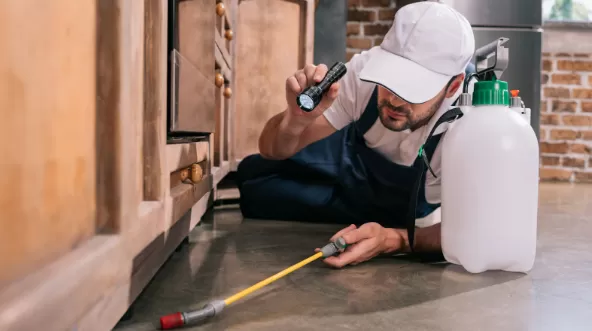
Singapore’s high humidity and warm temperatures create the perfect storm for pest infestations, allowing termites, cockroaches, bed bugs, and ants to thrive year-round in this tropical climate. These conditions speed up pest reproduction and survival. Pests like termites chew through wooden structures, leading to serious structural damage and property damage.
Cockroaches flourish in humid environments, carrying bacteria such as salmonella that contaminate food sources and surfaces. Their rapid breeding turns small issues into full pest infestations. Warmth keeps them active around the clock, making control harder for residents.
Experts recommend professional pest control pest control services like those from Aardwolf Pestkare for effective pest eradication. Simple prevention tips include seal cracks around doors and windows to block seal entry points. Regular IPM strategies, or integrated pest management, combine these steps with targeted treatments.
Keep home clean by store food properly in sealed containers and proper waste management. Use natural repellents like peppermint oil or cinnamon near entryways. Schedule regular inspections to catch problems early in Singapore’s relentless tropical climate.
Heavy Rainfalls Lead to Ideal Breeding Grounds for Mosquitoes
Heavy rainfall during Singapore’s northeast monsoon and southwest monsoon monsoon seasons creates standing water and stagnant water, turning them into ideal breeding grounds for mosquitoes like aedes aegypti that transmit dengue fever, zika virus, and chikungunya.
Mosquitoes follow a quick breeding cycle in this tropical climate. Females lay eggs in even small amounts of standing water, which hatch into larvae within days, then pupate and emerge as adults ready to bite and spread vector-borne diseases.
Experts recommend prevention tips like eliminate standing water from flower pots, gutters, and drains. Use larvicidal treatments in unavoidable water sources to kill larvae before they mature.
Aardwolf Pestkare’s mosquito control addresses these public health risks through integrated pest management, including fogging, biological controls like gambusia fish in larger water bodies, and vector surveillance to protect homes from mosquito breeding.
Effects of Urbanization and Close-Quarter Living on Pest Proliferation
Urbanization and close-quarter living in Singapore’s HDB and rental properties fuel pest problems, with rodents, cockroaches, ants, and bed bugs easily spreading among expats and residents. High-rise buildings and shared walls create perfect pathways for these common pests to move between units. Dense populations mean one infestation can quickly become a neighborhood issue.
Cockroaches act as disease carriers, spreading bacteria like salmonella through contaminated food and surfaces. In tropical Singapore, high humidity and warm temperatures boost their reproduction rates. Expats in rental properties often face sudden outbreaks due to poor maintenance from previous tenants.
Prevention starts with proper waste management, such as using sealed bins and regular disposal. Keep your home clean by wiping surfaces daily and storing food in airtight containers. Seal cracks and entry points around pipes and doors to block pest infestations.
For tough cases, Aardwolf Pestkare’s professional services offer IPM tailored to urban settings. They conduct regular inspections and use safe methods for pest eradication in HDB flats. This approach minimizes health risks from disease vectors like cockroaches and rodents.
The Changing Climate
Climate change intensifies Singapore’s tropical climate with more heavy rainfall and erratic monsoon seasons, worsening pest infestations and vector-borne diseases posing public health risks. The northeast monsoon and southwest monsoon bring prolonged downpours that create ideal breeding grounds for pests. This shift makes pest control in Singapore more challenging than ever.
Warm temperatures and high humidity accelerate the life cycles of Aedes aegypti mosquitoes, key carriers of dengue fever, Zika virus, and chikungunya. Stagnant water from erratic rains turns urban areas into mosquito breeding sites, increasing disease vectors. Residents face heightened health risks from these rapid spreads.
Integrated pest management (IPM) from experts like Aardwolf Pestkare addresses this through larvicidal treatments and biological control, such as introducing gambusia fish to eliminate standing water larvae. They combine vector surveillance with public education on prevention tips like using mosquito repellents and installing window screens. This holistic approach ensures pest eradication and long-term prevention.
Professional services emphasize mosquito control alongside rodent control for rodents and cockroaches, which thrive in wet conditions. Regular inspections help seal entry points and manage humidity levels. Homeowners can support efforts by eliminating standing water and practicing proper waste management.
The Biological Accelerator Effect
The biological accelerator effect in Singapore’s environment speeds up pest reproduction, but biological control methods like gambusia fish in mosquito control and IPM help manage disease vectors effectively. Warm temperatures and high humidity create ideal conditions for pests like aedes aegypti mosquitoes to breed rapidly. This effect turns small pest problems into major infestations quickly.
Vector surveillance plays a key role in tracking mosquitoes and rodents that carry vector-borne diseases such as dengue fever, zika virus, and leptospirosis. Professionals monitor breeding grounds in stagnant water and rat burrows during monsoon seasons. Early detection prevents outbreaks in urban areas with close-quarter living.
Public education enables residents with prevention tips like eliminating standing water, using mosquito repellents, and installing window screens. Homeowners learn to seal cracks, store food properly, and maintain proper waste management to cut off food sources. These habits reduce reliance on chemical insecticides.
Aardwolf Pestkare excels in professional pest control by combining IPM with biological controls for cockroaches, ants, termites, and bed bugs. Their experts conduct regular inspections and apply larvicidal treatments tailored to tropical climate challenges. This approach minimizes health risks from vector-borne diseases and structural damage.
Common Pest Problems Faced by Singaporean Homes and Businesses
Singaporean homes and businesses grapple with common pests like termites, rodents, cockroaches, ants, and bed bugs in pest infestations that demand prompt professional pest control.
The tropical climate with high humidity and warm temperatures creates ideal conditions for these pests to thrive. Homes in close-quarter living areas often face rapid spread, while businesses deal with contamination risks. Health risks from disease vectors add urgency to effective pest management.
Termites cause structural damage by silently eating through wooden frames in rental properties. Rodents chew wires and leave droppings that carry leptospirosis. Cockroaches and bed bugs invade at night, triggering allergies and sleep issues for expats and locals alike.
Ants form trails to food sources in kitchens, and mosquitoes breed in stagnant water during monsoon seasons. Pest control services like Aardwolf Pestkare offer integrated pest management to tackle these challenges. Regular inspections prevent small issues from becoming full-blown infestations.
Termites and Structural Damage
Termites pose a major threat in Singapore due to the high humidity that supports their colonies. They tunnel through wood, causing property damage invisible until floors creak or walls weaken. Homes and businesses with timber structures need vigilant checks.
Swarmers emerge during rainy periods, signaling active nests in soil or walls. Experts recommend seal cracks and using baits traps for pest eradication. Professional services detect mud tubes early to avoid costly repairs.
In urban areas, termites exploit construction debris as breeding grounds. Combine chemical insecticides barriers with humidity levels control for long-term pest management. Aardwolf Pestkare’s targeted treatments protect against this silent destroyer.
Keep wood elevated and dry to deter Termites infestations. Regular professional inspections ensure timely intervention in Singapore’s damp environment.
Rodents and Health Risks
Rodents infestations thrive in Singapore’s warm temperatures and heavy rainfall, with Norway rats burrowing near buildings. They spread Salmonella and Leptospirosis through contaminated food and water. Businesses face shutdowns from health violations.
Rodents enter via tiny gaps, gnawing structural damage to cables and insulation. Proper waste management and sealing entry points help control populations. Bait traps work well alongside sanitation efforts.
In close-quarter living, rodent control demands community-wide action. Integrated Pest Management (IPM) includes monitoring rat burrows and using non-toxic options. Aardwolf Pestkare provides thorough eradication for safe environments.
Store food in airtight containers and clear clutter to eliminate hiding spots. Professional rodent control prevents disease outbreaks in homes and commercial spaces.
Cockroaches, Ants, and Bed Bugs
Cockroaches flourish in high humidity, hiding in drains and cabinets while carrying bacteria. Ants invade kitchens seeking sweets, forming visible trails. Bed Bugs hitch rides on luggage, biting residents in well-ventilated homes.
These pests resist basic insecticides, requiring professional SG Pest Control. Use ant baits, peppermint oil, or cinnamon as natural repellents alongside gels. Vacuuming and heat treatments target bed bugs effectively.
In tropical Singapore, rapid breeding demands quick action. Keep homes clean, seal cracks, and manage waste to cut food sources. Aardwolf Pestkare’s services ensure complete removal.
Combine prevention tips like window screens with regular cleanings for lasting relief from these persistent intruders.
Mosquitoes and Vector-Borne Diseases
Mosquitoes, especially Aedes aegypti, breed in standing water during Northeast Monsoon and Southwest Monsoon. They transmit Dengue fever, Zika virus, and Chikungunya as disease vectors. Public health risks rise in urbanized areas.
Eliminate stagnant water from pots and gutters to stop mosquito breeding. Larvicidal treatments and biological control with gambusia fish offer eco-friendly solutions. Window screens and repellents protect daily.
Vector surveillance and public education enhance community efforts. Mosquito control through IPM reduces populations city-wide. Aardwolf Pestkare delivers specialized fogging and inspections.
Focus on prevention in rental properties to safeguard expats and families from these tropical threats.
Pest Infestation: Mosquitoes
Mosquito pest infestations, especially from Aedes aegypti, drive Dengue Fever, Zika Virus, and Chikungunya outbreaks in Singapore, fueled by mosquito breeding in urban spots like Sungei Buloh and Sembawang Park Connector. These disease vectors thrive in the tropical climate with high humidity and heavy rainfall. Standing water in flower pots, drains, and gutters creates ideal breeding grounds.
The National Environment Agency leads efforts through Project Wolbachia, which releases Mosquitoes infected with Wolbachia bacteria to suppress populations. This biological control method reduces the ability of Aedes aegypti to spread viruses. Vector surveillance and public education campaigns also target mosquito control during northeast monsoon and southwest monsoon seasons.
Professional services like Aardwolf Pestkare apply larvicidal treatments to eliminate larvae in hard-to-reach areas. These treatments prevent adult mosquitoes from emerging. Experts recommend combining them with integrated pest management for long-term results.
Prevention tips include eliminating standing water, using mosquito repellents, and installing window screens. In rental properties, seal entry points and maintain proper waste management. Regular inspections help catch pest infestations early in close-quarter living environments.
Pest Infestation: Termites
Termites pest infestations in Singapore wreak havoc through structural damage and property damage, often hidden until it’s too late. In the tropical climate with high humidity and warm temperatures, Termites thrive and multiply quickly. Homeowners may notice mud tubes or hollow-sounding wood before the full extent of the issue appears.
Regular inspections help detect termites early, preventing costly repairs. Experts recommend checking areas like wooden frames, floors, and soil near foundations every few months. In rental properties, landlords should schedule these checks to protect investments from pest infestations.
Effective termite control involves integrated pest management (IPM), combining methods like bait systems and soil treatments. Aardwolf Pestkare specializes in IPM tailored to Singapore’s high humidity and urban settings. This approach minimizes chemical use while targeting colonies directly.
Practical prevention tips include sealing cracks in walls, reducing moisture with proper ventilation, and storing wood away from the ground. For severe cases, professional pest control services ensure thorough pest eradication. Acting promptly saves structures from irreversible harm in this tropical environment.
Pest Infestations: Rodents
Rodents pest infestations, including Norway rats digging rat burrows, spread Leptospirosis and hantavirus, posing serious threats to HDB homes and businesses. These pests thrive in the tropical climate with high humidity and heavy rainfall creating ideal breeding grounds. Rodents chew through wires and walls, leading to structural damage and fire risks.
In urban areas with close-quarter living, rodent control becomes essential for public health. Rats carry disease vectors that affect expats and locals alike. Homeowners often spot droppings or hear scratching at night as early signs of infestation.
Effective solutions include baits traps placed in hidden spots like rat burrows and along walls. Combine these with professional pest control services from Aardwolf Pestkare for thorough inspections and safe baiting. Regular checks prevent rodents from establishing food sources in kitchens or storage areas.
For prevention tips, seal cracks and store food properly in sealed containers. Maintain proper waste management to cut off easy access. Experts recommend Integrated Pest Management to handle persistent Rodents infestations in Singapore’s warm temperatures.
Cockroaches
Cockroaches are resilient disease carriers spreading salmonella in Singapore’s warm temperatures, requiring vigilant efforts to keep home clean. These pests love high humidity levels and hide in dark cracks during the day. They contaminate food and surfaces, posing health risks in rental properties.
Cockroach habits make them tough in tropical environments with monsoon seasons. They breed quickly in stagnant water near drains or leaks. Spot them scurrying at night or by their egg cases in cabinets.
Prevention starts with seal entry points around pipes and doors using caulk. Use insecticides sparingly and opt for gels in hidden areas. Aardwolf Pestkare offers cockroach management with targeted treatments for long-term control.
Keep a well-ventilated home and eliminate food sources like crumbs. Practice proper waste management and regular cleaning. Integrated pest management combines these steps for effective pest eradication.
Flying Insects (Flies, Bees, Hornets)
Flying insects like flies, bees, and hornets add to pest control challenges in Singapore’s tropical climate, often entering through unsealed areas. Flies spread germs from waste, while bees and hornets nest in attics or trees. Heavy rainfall during northeast monsoon creates more breeding grounds.
These pests increase during urbanization with more food waste around. Hornets sting aggressively if nests are disturbed. Flies buzz around kitchens, drawn to uncovered trash.
Install window screens and use mosquito repellents for entry prevention. For flies, maintain proper waste management and cover bins tightly. Integrated pest management includes larvicidal treatments for mosquito control linked to these swarms.
Professional pest control services handle nests safely without risks. Eliminate standing water to curb mosquito breeding from aedes aegypti. Combine biological control like gambusia fish in ponds with public education for neighborhood-wide relief.
Why Pest Control Is Essential in Tropical Climates
In tropical climates like Singapore’s, pest control is essential to curb health risks from disease vectors and prevent property damage from pests like termites. The high humidity and warm temperatures create ideal breeding grounds for mosquitoes, cockroaches, and rodents. Without proper measures, these pests thrive year-round.
Vector-borne diseases such as dengue fever, Zika virus, and chikungunya spread quickly via Aedes aegypti mosquitoes that breed in standing water. Rodents carry leptospirosis and salmonella, posing serious public health risks. Professional services like Aardwolf Pestkare’s IPM approach target these threats effectively.
Heavy rainfall during Northeast Monsoon and Southwest Monsoon seasons worsens Mosquitoes breeding and Rodent infestations. Termites cause structural damage in close-quarter living urban areas. Regular Pest Control SG prevents costly repairs and health issues.
Experts recommend Integrated Pest Management (IPM) combining larvicidal treatments, biological control like Gambusia fish, and prevention tips. Aardwolf Pestkare offers professional Pest Control SG tailored for Singapore’s tropical climate. Homeowners should seal cracks, use ant baits, and maintain proper waste management to stay ahead.
Is Pest Control Seasonal in Singapore?
Pest control in Singapore isn’t strictly seasonal due to year-round warm temperatures, but peaks during Northeast Monsoon and Southwest Monsoon demand regular inspections. The tropical climate keeps humidity high constantly, creating ideal conditions for pests like Mosquitoes and Cockroaches to thrive. This non-seasonal nature sets Singapore apart from temperate regions.
Heavy rainfall from the Northeast Monsoon and Southwest Monsoon leads to more standing water, boosting mosquito breeding sites. Pests such as Aedes aegypti multiply quickly in these conditions, raising risks of Dengue Fever, Zika Virus, and Chikungunya. Homeowners notice spikes in pest infestations after prolonged rains.
Integrated pest management (IPM) approaches work best here, focusing on prevention rather than reactive treatments. Regular checks for stagnant water around properties prevent vector-borne diseases. Companies like Aardwolf Pestkare offer ongoing pest management tailored to this consistent threat.
Practical steps include eliminating breeding grounds by clearing gutters and using larvicidal treatments. Seal cracks to block ants and rodents, and maintain proper waste management. These habits ensure pest control remains effective year-round in Singapore’s humid environment.
What Is the Impact of Weather on Different Pests?
Singapore’s weather, high humidity, warm temperatures, and heavy rainfall, impacts pests differently, boosting mosquito breeding while aiding rodent and termite activity. These conditions create ideal breeding grounds for many common pests like Bed Bugs in the tropical climate. Pests thrive year-round, making SG Pest Control a constant challenge.
Mosquitoes, especially Aedes aegypti, explode in numbers during the Northeast Monsoon and Southwest Monsoon seasons. Standing water from heavy rainfall turns gutters and flower pots into perfect sites for larvae. This fuels outbreaks of Dengue fever, Zika, and Chikungunya.
Rodents like Norway rats seek shelter indoors as rains flood their outdoor burrows, leading to more rodent infestations. High humidity keeps their fur dry inside homes, while they spread Leptospirosis and Salmonella. Cockroaches and Ants also surge, drawn to moist, warm spots in kitchens.
Climate change worsens these patterns with unpredictable storms, intensifying pest infestations. Experts recommend integrated pest management (IPM) strategies like eliminating stagnant water and using larvicidal treatments. Regular professional pest control helps adapt to these shifting weather impacts.
Key Services Offered by Pest Control Companies
Pest control companies like Aardwolf Pestkare offer key services including Termites control, Rodents control, Cockroaches and Ants management, and Mosquitoes control tailored for Singapore.

These professional services rely on Integrated Pest Management (IPM) to address pests in the tropical climate. High humidity and warm temperatures create ideal conditions for pest infestations, so experts like the National Environment Agency combine prevention, monitoring, and targeted treatments.
Aardwolf Pestkare stands out with its focus on regular inspections and safe methods for urban HDB homes and rental properties. They handle common pests like Cockroaches, Ants, Rodents, and Mosquitoes that spread diseases such as Dengue fever and Zika virus.
Prevention tips include keeping homes clean, sealing cracks, and proper waste management. In close-quarter living common in Singapore, these services protect public health from disease vectors.
Termite Control
Termite control targets subterranean and drywood Termites to prevent structural damage using baits traps and regular inspections.
In Singapore’s high humidity and heavy rainfall, termites thrive and cause property damage. Aardwolf Pestkare uses ant baits placed in active areas to attract and eliminate colonies over time.
Professionals seal cracks in foundations and walls to block entry points. Regular inspections detect hidden infestations early, especially during monsoon seasons when soil moisture rises.
Combining IPM with these methods ensures long-term pest eradication. Homeowners should keep wood away from soil and maintain well-ventilated homes to reduce risks.
Rodent Control
Rodent control employs baits traps and seal entry points to eliminate rodents and prevent rat burrows.
Rodents spread diseases like leptospirosis and salmonella in urban Singapore amid rodent infestations. Proper waste management cuts off food sources, while Aardwolf Pestkare deploys secure baits to target rats and mice safely.
Sealing gaps around pipes and doors stops new entries. Experts recommend clearing clutter and fixing leaks to eliminate nesting spots in close-quarter living.
IPM approaches include monitoring with traps and educating on hygiene. This reduces health risks from these disease carriers in tropical environments.
Cockroach and Ant Management
Cockroach and Ant management uses ant baits, insecticides, Peppermint oil, and Cinnamon to tackle these common pests effectively.
In Singapore’s warm temperatures, cockroaches and ants invade kitchens and spread bacteria. Aardwolf Pestkare applies IPM with gel baits that workers carry back to nests for colony elimination.
Prevention tips like store food properly in sealed containers and wipe surfaces daily help. Natural repellents such as peppermint oil and cinnamon deter ants from trails.
Keep homes clean and fix leaks to lower humidity levels. Professional services ensure thorough treatment in rental properties and high-rises.
Mosquito Control
Mosquito control involves eliminate standing water, window screens, mosquito repellents, and Gambusia fish to curb breeding as part of initiatives like Project Wolbachia.
Aedes aegypti mosquitoes breed in stagnant water during northeast and southwest monsoons, spreading chikungunya and dengue. Aardwolf Pestkare offers larvicidal treatments and vector surveillance for effective management.
Public education promotes emptying containers and using window screens. Introducing gambusia fish to water features eats larvae as biological control.
Apply repellents and maintain yards free of puddles. These steps, combined with professional services, reduce public health risks from vector-borne diseases in tropical Singapore.
Economic and Health Implications
Pest issues bring severe health risks from disease vectors carrying Leptospirosis, Salmonella, hantavirus, and economic implications via property damage, underscoring the need for well-ventilated home practices in areas like Sungei Buloh and Sembawang Park Connector.
In Singapore’s tropical climate, mosquitoes like Aedes aegypti spread dengue fever, zika virus, and chikungunya, posing major public health risks. Rodents transmit leptospirosis through rat burrows in urban areas, while cockroaches carry salmonella in close-quarter living spaces. These vector-borne diseases strain healthcare systems and disrupt daily life for residents and expats.
Economically, termite infestations cause structural damage to rental properties, and rodent control demands costly repairs from gnawed wires. Ants and bed bugs lead to ongoing pest eradication expenses, especially during monsoon seasons with heavy rainfall creating breeding grounds. Property damage from these common pests adds up quickly in high humidity environments.
Professional pest control services like those from Aardwolf Pestkare use integrated pest management (IPM) to mitigate these issues. They apply larvicidal treatments, biological control with gambusia fish in stagnant water, and regular inspections to prevent pest infestations. This approach reduces health risks and economic losses through effective pest management.
Singapore National Environment Agency
Frequently Asked Questions
What Challenges Make Pest Control SG Pest Control Unique in Tropical Environments?
In Singapore’s tropical climate, pest control faces unique challenges like high humidity, year-round warmth, and frequent rains that accelerate pest breeding cycles for termites, cockroaches, and mosquitoes. Aardwolf Pestkare excels with tailored, eco-friendly solutions leveraging local expertise to combat these conditions effectively using Integrated Pest Management (IPM).
How Does High Humidity in Singapore Affect Pest Control Efforts?
What Challenges Make Pest Control Singapore Unique in Tropical Environments? High humidity levels above 80% create ideal breeding grounds for Termites and fungi-loving pests. Aardwolf Pestkare uses advanced moisture-control treatments and targeted termite barriers to mitigate this, ensuring long-term protection for homes and businesses in HDB units.
Why Do Termites Thrive More in Singapore’s Tropical Weather?
What Challenges Make Pest Control Singapore Unique in Tropical Environments? Constant temperatures around 30°C allow termites to remain active year-round, causing rapid structural damage during Northeast Monsoon and Southwest Monsoon. Aardwolf Pestkare’s specialized termite control services, including baiting systems and soil treatments, provide proven defense against these relentless invaders.
What Role Does Frequent Rainfall Play in Pest Proliferation in Singapore?
What Challenges Make Pest Control Singapore Unique in Tropical Environments? Heavy rains lead to water accumulation, boosting Aedes aegypti Mosquitoes and Rodents like Norway rats populations. Aardwolf Pestkare offers comprehensive drainage inspections and integrated pest management to prevent outbreaks of Dengue fever, Dengue Fever, Zika virus, Zika Virus, Zika, and Chikungunya, keeping your space safe and hygienic.
How Does Urban Density in Singapore Complicate Pest Control?
What Challenges Make Pest Control Singapore Unique in Tropical Environments? High-rise buildings and dense urban living facilitate pest migration of Cockroaches, Ants, and Bed Bugs between units. Aardwolf Pestkare employs precision treatments like gel baits and heat methods, customized for HDBs and condos near Sungei Buloh and Sembawang Park Connector, to eliminate pests without disruption. Natural remedies like Cinnamon and Peppermint oil complement treatments, while Gambusia fish aid in Project Wolbachia.
What Makes Aardwolf Pestkare Ideal for Singapore’s Tropical Pest Challenges?
What Challenges Make Pest Control Singapore Unique in Tropical Environments? With decades of experience, Aardwolf Pestkare provides holistic solutions beyond termites, including cockroach, ant, and bedbug control, protecting against diseases like Salmonella and Leptospirosis from Pest Control SG.
Their NEA-approved methods ensure compliance and efficacy in this demanding climate.